Your Cart
Items
Free Shipping on orders over $500.00
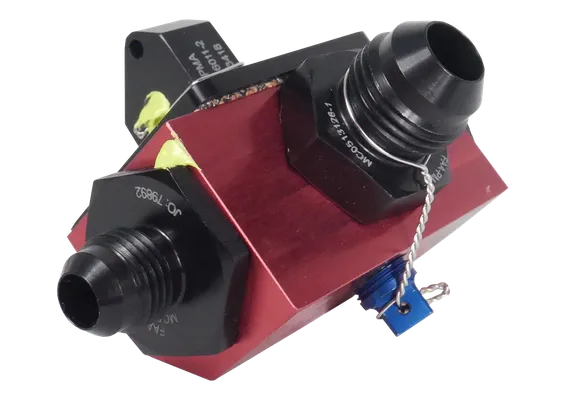
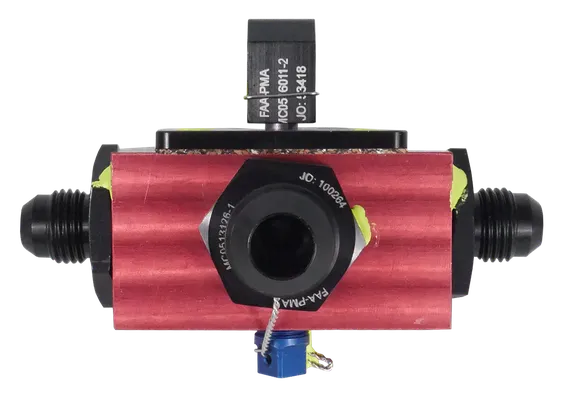
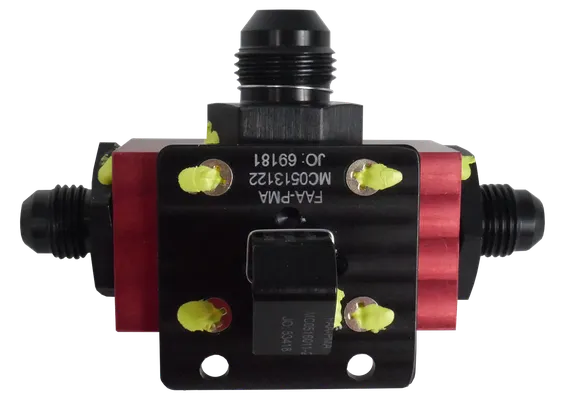
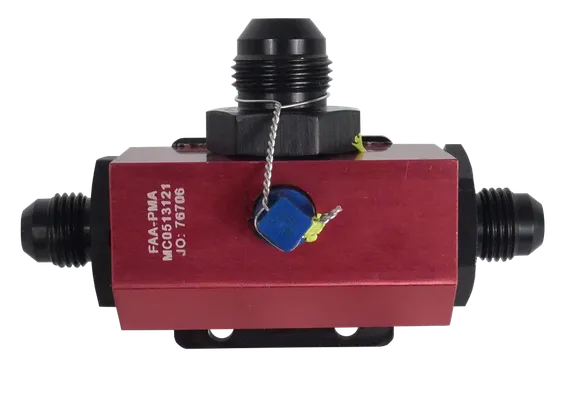
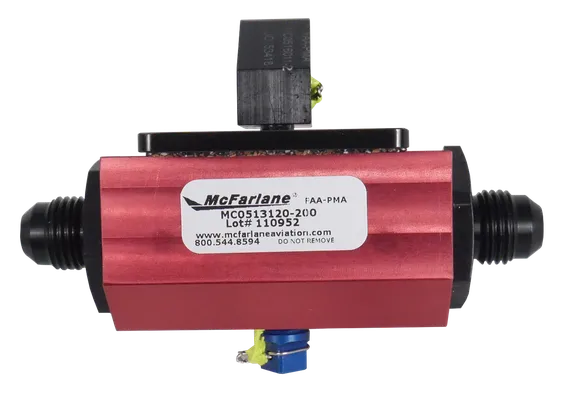
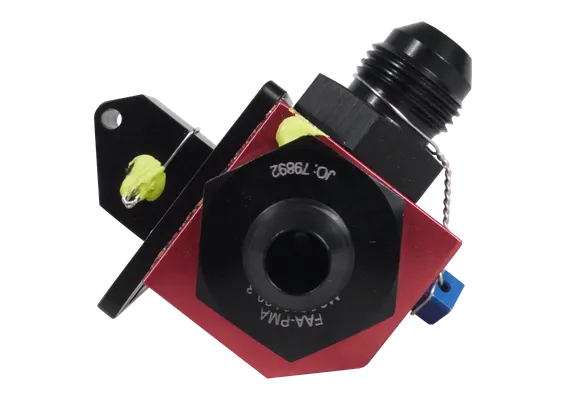
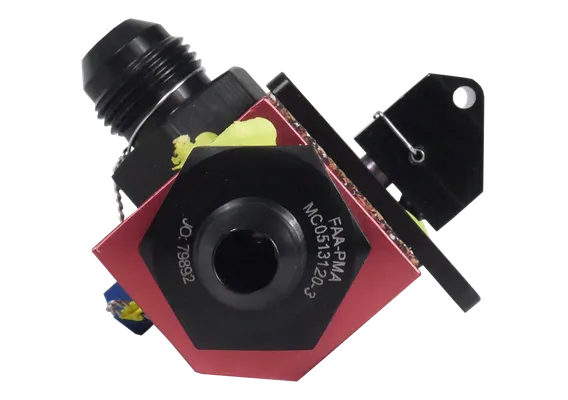
Part # MC0513120-200
VALVE ASSEMBLY NEW, Fuel Selector
Product Details
Specifications
- Approval
- FAA PMA
- Condition
- New
- Manufacturer
- McFarlane Aviation
- Dimensions
- L: 6 x W: 4 x H: 2 in
- Weight
- 0.668 lbs
- Unit of Measure
- Each
- McFarlane Part Number
- MC0513120-200
Product Description
Fuel Selector Valve Assembly
Note: It is critical on models 172M and F172M, S/Ns 17260759 thru 17267584, and F17200905 thru F17201514 that before ordering you identify the detent housing style the fuel valve has. Order either MC0513120-8 or MC0513120-200 based on the style installed in the aircraft.


Why not just repair my valve?
Many of the original valves have too much damage to be repaired cost-effectively. The original Cessna fuel valve that started in model 170 was a simple but ingenious cam ball design that has proven very reliable over the years. McFarlane has repaired a lot of these original Cessna valves, and we know them well. However, we are now rejecting a big percentage of the valve cores sent to us. A lot of them have corrosion damage in the main body that is too severe to fix, or the O-ring retention area is damaged and too rough to seal. Many of the fittings are corroded through. The cam bearing is brass and easily corrodes the aluminum alloy cam. From years of experience, McFarlane found flaws that degrade the service life and repairability of the original Cessna valves. We directly address these issues in our improved design to provide a higher quality, longer-lasting valve.
Proven Design with Improvements
Improved corrosion resistance: McFarlane’s new valves are totally anodized where the original valves were Alodine conversion coated. This change drastically improves the surface durability, wear resistance, and corrosion resistance of all the components, and they will stay pretty too! Corrosion protection is important since the valves are at the lowest point in the fuel system without any upstream water separation or contaminate screening. We have also eliminated the brass bushing that corrodes the cam.
Improved O-ring retention: Modern machining processes lets us precision machine the O-ring capture cavity. The original valve O-rings were retained by staking (stamp forming) the housing. This process was inconsistent at best and distressed and weakened the surrounding aluminum structure.
More balanced fuel flow: Yesterday’s manual machining process of the original valves were often inconsistent enough to let one port flow more fuel than needed while the other port might flow a very marginal amount of fuel. The new McFarlane valve is computer machined for a perfect balance of fuel flow.
Fully Tested
You can rest assured that if it’s a new McFarlane valve or a valve repaired by McFarlane, it will be pressure, functional, and flow tested to perform to the highest standards.
Now for more good news!
All of the improved parts in our new valve are interchangeable with the original Cessna valve. This means that if your valve is good (with the exception of a few parts), we can fix it at a reasonable price! Whether you need your valve repaired or a new valve, we will save you money.
Repair kits
- Contains all required hardware to reseal and perform a repair
- Seals, springs, O-rings, roll pins, washers, screws, balls and plug
- FSO-KT-1 for 0716613 series valves includes the parts contained in Cessna P/N 0716613-200 and -201 seal kits plus additional hardware required for a basic repair
- All parts are FAA approved or certifi ed industry standard hardware
Many Cessna Fuel valves (including the 0716613 series) require special tools and processes for reassembly.
It's often more cost effective to have McFarlane repair your valve.
To learn more go to Repair Kits or FSO-KT-1 thru FSO-KT-24
Seal Kits
Only McFarlane has FAA approval to replace the old, less fuel resistant O-rings with the latest fuel-proof fluorocarbon O-rings!
- Conveniently packaged! Includes all necessary O-rings and/or gaskets applicable to specific single engine Cessna aircraft models
- Replace old MS or NAS series O-rings with Fluorocarbon for improved fuel and heat resistance
- Cork/rubber gaskets meet tough government standards for fuel resistance
Gaskets, Fittings, and O-rings
- Gaskets are available individually or as convenient kits
- O-rings are available in quantities of 10 each or as convenient kits
- Commonly replaced AN fittings in stock!
- 45° plug P/N AN823-8D and 90° plug P/N MS20822-8D
- Complete line of replacement parts for Cessna fuel valves
- Detent plates, springs, plastic seals, cams and more in-stock!
- Unique and common components for McFarlane and Cessna fuel valves and fuel selector valves available
To learn more go to Replacement Parts

Maintenance Tip!
The fuel selector valve works in unscreened fuel. Contaminated fuel can cause selector valve seal damage. When fueling from possibly contaminated fuel sources, McFarlane recommends the use of a micro-screened funnel, such as Mr. Funnel.
WARNING: Cancer and/or Reproductive Harm - California Proposition 65 Resources
Eligible Aircraft
| Make | Model | Start S/N | End S/N | Quantity Per Aircraft | Location | Eligibility Chart |
|---|---|---|---|---|---|---|
| Cessna 172M | 172M | S/N 17263459 – 17267584 | 17267584 | Quantity Per Aircraft 1 | Location FUEL SELECTOR VALVE | Eligibility Chart 7091 |
| Cessna F172M | F172M | S/N F17201235 – F17201514 | F17201514 | Quantity Per Aircraft 1 | Location FUEL SELECTOR VALVE | Eligibility Chart 7091 |
| Cessna FR172J | FR172J | S/N FR17200531 – FR17200590 | FR17200590 | Quantity Per Aircraft 1 | Location FUEL SELECTOR VALVE | Eligibility Chart 7091 |
| Cessna FR172K | FR172K | S/N FR17200591 – FR17200675 | FR17200675 | Quantity Per Aircraft 1 | Location FUEL SELECTOR VALVE | Eligibility Chart 7091 |
| Cessna R172K | R172K | S/N R1722000 – R1723454 | R1723454 | Quantity Per Aircraft 1 | Location FUEL SELECTOR VALVE | Eligibility Chart 7091 |
Cross Reference
Reference only: Please verify the product is eligible for your aircraft before adding to your cart.
-
0513120-200
FAQs
How do I keep contaminants out of my fuel system?
The fuel selector valve works in unscreened fuel. Contaminated fuel can cause selector valve seal damage. When fueling from possibly contaminated fuel sources McFarlane recommends the use of a fuel filter, such as Mr. Funnel or another filtering device, to reduce trash in the fuel system.
What pressure is used to test the fuel selector valves after repairs?
We pressure test our repaired valves to a minimum of 5 psi using precision controlled air pressure and a calibrated low pressure indicator. This pressure is above the normal fuel pressure on the valve and below the limits of the springs in the valve. Each valve is submerged in Stoddard solvent while the air pressure is applied to the valve. The valves are then tested in each position to assure that there are no inter-port or external leaks. Leaks are detected by looking for air bubbles escaping from the valve.
How do I know when to replace or service my fuel selector valve?
The most common indication of external fuel valve leaks is the smell of avgas in the cabin. Most valves are located under the cabin floor. Fuel stain on the valve and drain plug or drain valve or on the belly of the aircraft can also indicate external leakage. External leaks are generally around the actuation valve stem. Internal leaks are detected when the fuel is turned off and fuel continues to drip during fuel system maintenance. Inner port leakage will allow fuel from one tank to leak into another fuel tank. This type leak is difficult to detect. Fuel transfer from one tank to another with the fuel valve selected to one tank only will indicate inner-port leakage. An extended period of time is needed to detect fuel transfer from one tank to another. Generally if internal leakage is detected when servicing the fuel system, it is likely there is also inner-port leakage.