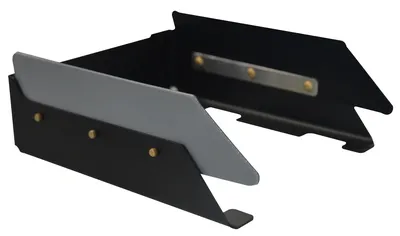
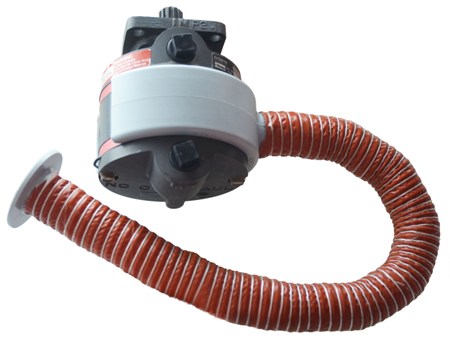
Should I use a cooling shroud on my dry air pump?
Yes, using a cooling shroud whether on a 200 series or 400 series dry air pump can reduce pump temperatures by as much as 10%. For more information, go to Vacuum Pump Cooling Kit.
Will my oil temperature be higher or lower with a multigrade?
In most cases, the multigrade oil will run cooler. For a hot-running engine, like turbocharged, high performance or aerobatic aircraft engines, this is good, but for a cool-running engine it can be a disadvantage. If the engine runs too cool, it can't boil off excess moisture and unburned fuel, so there can be a tendency to form acid buildup. For cooler-running engines, pilots should use a winterizing kit, or check with their mechanics on how to keep oil temperature up.
My oil temperature seems to be running low. Is this a problem?
Yes, low oil temperature can lead to excessive rusting and corrosion of critical engine parts. When an aircraft sits on the ramp or in a hangar, the engine heats up during the day and cools again at night. While the engine is cooling, some of the moisture in the air condenses on the engine walls and drops into the oil.
This can form rust on internal engine components. The moisture can also react with by-products of combustion in the oil,forming acids which can lead to corrosion. The best way to remove this water is for the engine to boil it off during flight. Studies have shown that the temperature of your engine oil increases about 50°F as it circulates through the engine.
Therefore, unless the oil temperature reaches 170°F to 180°F during flight, the engine will not boil off the water that has accumulated in the crankcase. The result: rust and corrosion.
Note that an excessively high oil temperature will also cause problems. Here are some tips to help avoid oil temperature problems:
Check your oil temperature gauge for accuracy. It should read about 212°F when the sensor is placed in boiling water.
Monitor the oil temperature during flight. It should be about 180°F even in winter. If it is lower, you may need a winterization kit. Otherwise, check with your mechanic to see what is causing the excessively low oil temperature.
The unique additive feature in anticorrosion/antiwear AeroShell® Oil W 15W-50 can also help control problems caused by rust and corrosion.
How can I make sure my oil temperature is accurate and identify the correct oil temperature range?
Placing a permanent reference mark at 180°F on the green band of your oil gauge is a good way to get accurate readings. To do this, simply place your sending unit and an accurate, referenced thermometer in a steel container filled with oil, and slowly heat it to 180°F with a hot plate. You may not be able to hold 180°F constant, so first mark your gauge with a pencil as the oil temperature passes 180°F. Then let the oil cool back to 180°F. Repeat the process to ensure accuracy.
And be extra careful with the hot oil. In a naturally aspirated aircraft engine, a cruise oil temperature significantly below 170°-180°F will not ensure that the moisture in the oil is boiled off, especially during short flights. As oil goes through the engine, the highest instantaneous temperature will be about 50°F higher than the oil sump temperature.
So, if you have an oil temperature of only 150°-160°F, the oil will not get above the 212°F necessary to boil off the water that can accumulate from condensation. The result is increased moisture and acid buildup in the crankcase, which will probably lead to rust and corrosion.
Knowing this is especially critical if your aircraft is not flown regularly and sits in a humid climate for weeks at a time. If your oil runs well below the 180°F mark, have your mechanic check your oil cooler system and vernatherm. Also, ask about a winterization kit.
Conversely, the concern with the typical turbocharged piston engine is excessive heat. In many of these engines, instantaneous oil temperature can increase 70°F or more at its hottest point versus sump temperature. These high temperatures can cause deposit buildup and increased wear due to improperly cooled components or low oil viscosity. (All oils, especially single grade oils, thin out as the temperature